
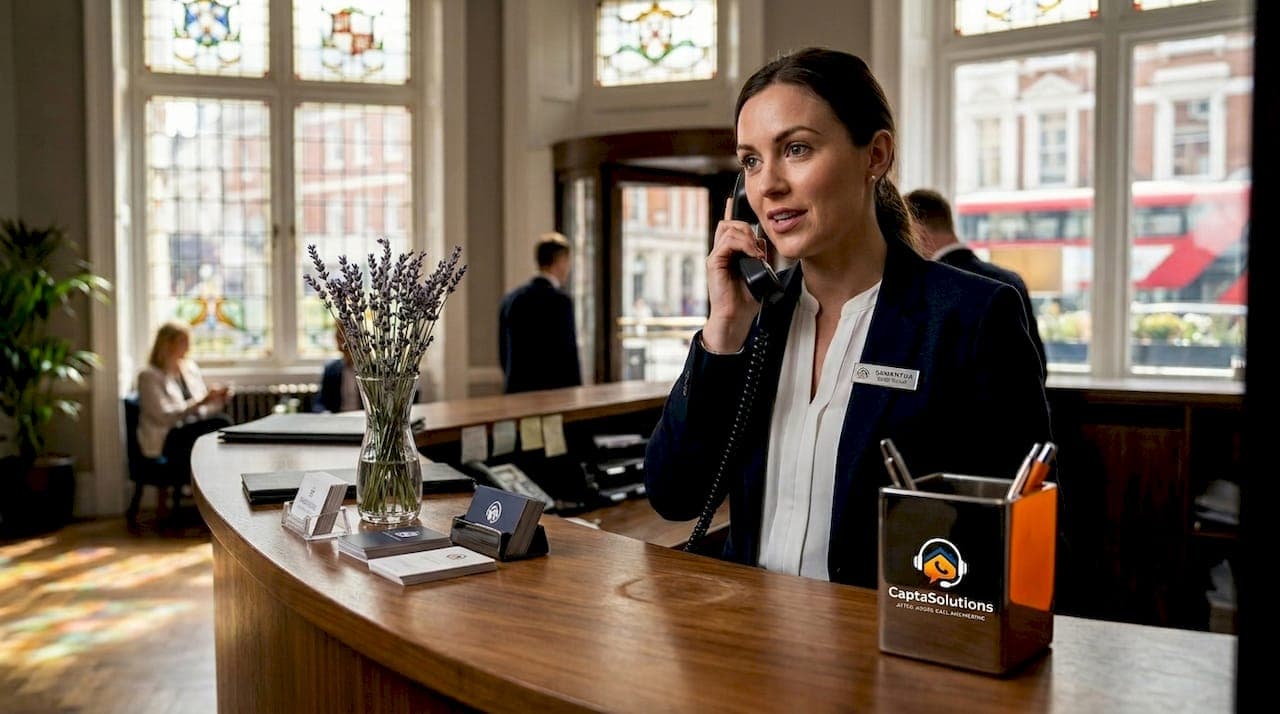
The phone rings during your busiest Friday service. Three tables need attention, the kitchen is calling through, and a guest is waiting at the bar. That call goes unanswered. It was a party of twelve wanting to book for next Saturday. Professional call handling in hospitality is not a nice addition to your operation. It is a direct line to revenue, and most UK venues are losing it every week without realising it. This guide covers how to prepare your team, execute effective techniques, avoid costly mistakes, and measure results.
Table of Contents
- Key takeaways
- Preparing for professional call handling in hospitality
- Executing effective call handling techniques
- Common mistakes in UK hospitality call management
- Measuring and improving call handling performance
- My honest take on technology versus human touch
- How Captasolutions supports hospitality call handling
- FAQ
Key takeaways
| Point | Details |
|---|---|
| Peak calls mean lost revenue | Up to 40% of daily calls arrive in a 3-hour window, making unanswered calls a significant revenue risk. |
| Preparation comes before execution | Analyse call volume patterns and define staff roles before changing any process or technology. |
| Voicemail is not a safety net | Callback rates from voicemail fall below 8%, meaning most missed calls simply go elsewhere. |
| Technology supports, not replaces, people | Cloud telephony and IVR systems reduce pressure on staff without removing the human element guests expect. |
| Measurement drives improvement | Regular call analytics and recordings are the only reliable way to identify training gaps and operational weaknesses. |
Preparing for professional call handling in hospitality
Before you change anything, you need an honest picture of what is actually happening on your phones right now.
Map your call volume patterns
Start by logging every incoming call for two to four weeks. Note the time, whether it was answered, how long it rang, and what it was about. You will almost certainly find that your busiest call periods align precisely with your busiest service periods. During peak hours, restaurants receive up to 40% of their daily calls in just three hours. That is not a staffing problem you can solve by asking your team to try harder. It is a structural challenge that requires a structural answer.
Assess staffing and cost realities
Many hospitality managers instinctively reach for the same solution: hire someone to answer the phones. The economics rarely support this decision. Dedicated phone handlers cost around £600 to £800 per month part-time, before recruitment and training costs, and a single person cannot handle simultaneous call spikes effectively. You are paying for availability, not capacity.
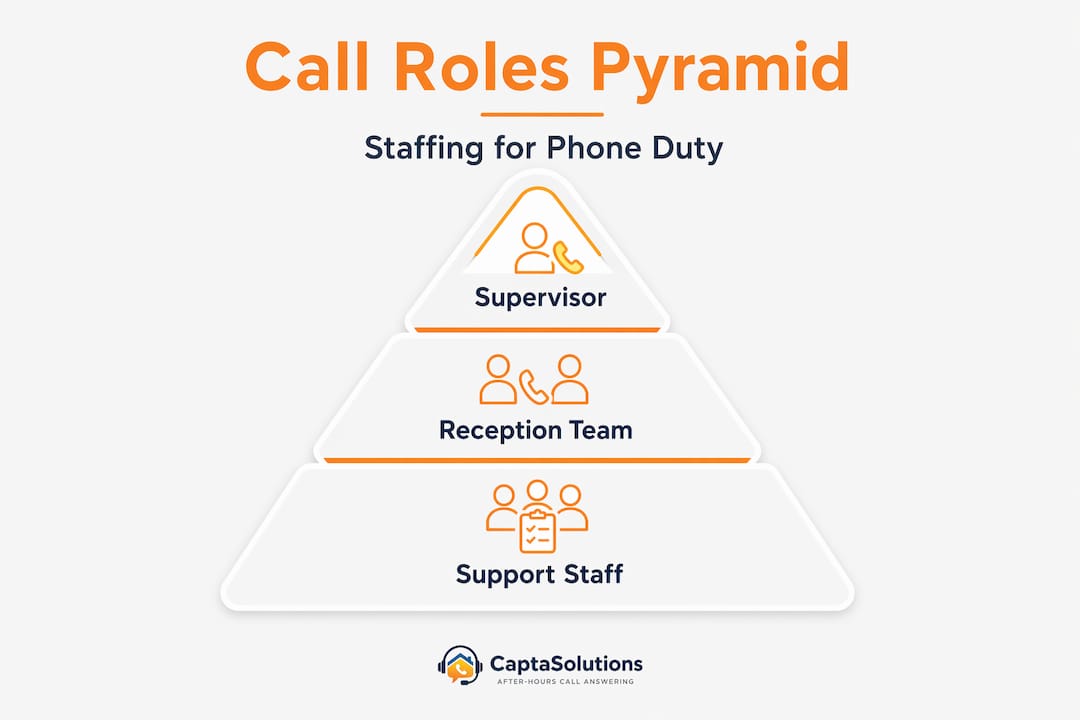
The smarter path is defining which existing roles carry call handling responsibility, and when. A reception team member in a hotel has a different call handling profile than a front-of-house supervisor in a restaurant. Write that down clearly before you move on.
Evaluate your technology
Here is a quick checklist of what modern hospitality call management systems should offer:
- Cloud-based VoIP telephony that works across sites and on mobile devices
- Interactive Voice Response (IVR) to route calls to the right person or department
- Call queuing and call-back options so callers are not simply cut off during busy periods
- CRM or Property Management System (PMS) integration so staff can see guest history before they speak
- Call recording and analytics for performance monitoring and training
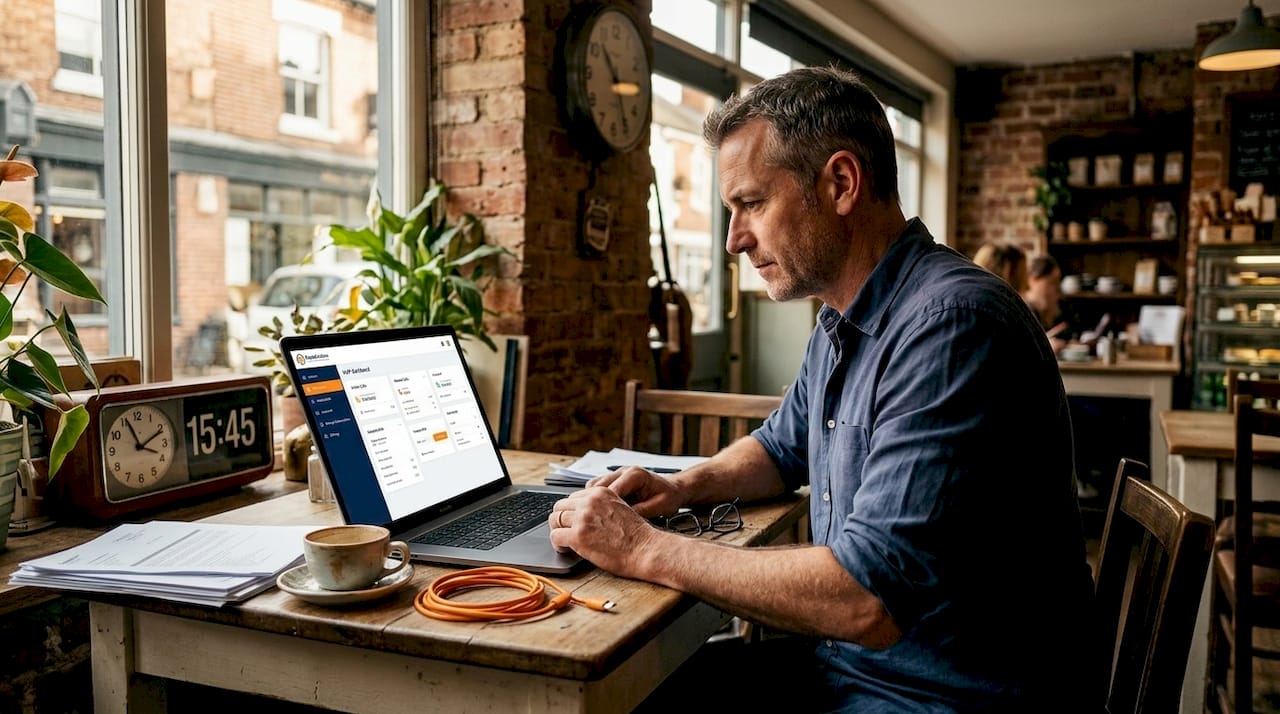
Cloud-based VoIP systems enable staff to work flexibly, handle calls away from a fixed desk, and maintain consistent service across multiple venues. If your current phone system cannot do these things, you are starting at a disadvantage.
Pro Tip: Before buying any new technology, run a one-week call log using a simple spreadsheet or your existing system's reporting. Knowing your actual call patterns saves you from buying capacity you do not need, or missing the specific bottleneck that is costing you bookings.
The final preparation step is scripting. Write call flow frameworks for reservations, general enquiries, complaints, and VIP guest calls. These do not need to be word-for-word scripts. They are frameworks that keep every team member anchored to the same standard regardless of how busy the floor is.
Executing effective call handling techniques
With your preparation in place, execution becomes about consistency and prioritisation rather than improvisation.
The mechanics of a professional greeting
Answer within three rings. State the venue name, your name, and offer assistance in a single warm sentence. "Good evening, The Harbour Room, this is Emma speaking, how may I help you?" takes four seconds and immediately signals competence. It sounds simple. Yet common UK hospitality call handling mistakes frequently include rushed or incomplete greetings that leave callers uncertain they have reached the right place.
A call prioritisation framework
Not every call carries the same weight. Train your team to recognise and respond to call types in this order:
- Reservation and booking calls are highest priority. These are direct revenue. A caller who does not book with you will book elsewhere within minutes.
- Existing guest calls relating to current stays or imminent arrivals. These affect your reputation directly and often involve time-sensitive requests.
- Complaint calls from past guests. Handle these promptly. A dissatisfied guest who reaches a person is far more likely to be retained than one who hits voicemail.
- General enquiries about menus, facilities, events, and opening times. These can legitimately be handled by IVR menus or brief hold periods.
- Supplier and administrative calls can be routed or returned outside service hours.
This framework prevents your team from spending the same energy on a supplier query as a group booking. It also gives newer staff a clear decision tree rather than leaving them to guess.
Balancing technology and human touch
Modern call centre tools offer IVR menus, call queuing, and personalised guest data access. Use IVR to handle direction queries and opening times automatically. Use call queuing with an estimated wait message rather than a dead ring. Use CRM-linked guest profiles so whoever answers knows the caller's name, booking history, and preferences before they say hello.
Technology handles volume. People handle nuance. A guest calling to complain about their last visit needs a human voice with genuine authority to resolve the problem. An IVR menu that loops them back to the main options will accelerate the damage.
Pro Tip: During your busiest service hours, activate a call-back option rather than a hold queue. Most guests will accept a fifteen-minute wait for a return call. Very few will stay on hold for five minutes while your team is serving a full house.
Common mistakes in UK hospitality call management
Understanding what goes wrong is often more useful than a list of best practices. These are the patterns that consistently cost UK hospitality businesses money.
| Mistake | Recommended practice |
|---|---|
| Staff multitasking calls and floor service | Designate a specific call handler role during peak periods, even if this is rotational |
| Overreliance on voicemail | Use call-back systems or automated answering; voicemail callback rates are below 8% |
| Ignoring call volume data | Review call analytics weekly to identify patterns and plan staffing accordingly |
| Undertrained staff on phone etiquette | Run quarterly training sessions using real call recordings as teaching material |
| No PMS or CRM integration | Connect your phone system to guest data so staff can personalise every call |
| Dismissing automation options | Evaluate IVR, cloud telephony, and AI-powered answering to reduce staff burden |
The most damaging mistake on this list is also the most common: expecting staff to manage floor service and phone calls simultaneously. Human attention has a hard limit. A server managing a table of eight cannot give a reservation enquiry the attention it needs. The guest on the phone will hear that distraction, and they will remember it.
The second issue worth examining carefully is the voicemail habit. Many hospitality managers genuinely believe that voicemail captures missed calls effectively. In practice, 30 to 40% of calls go unanswered during peak periods, and the vast majority of those callers do not leave a message. Of those who do, fewer than one in twelve receive a callback. You are not capturing missed revenue through voicemail. You are watching it walk out the door.
Training also deserves more investment than most venues give it. Phone etiquette and hospitality phone handling skills decay without reinforcement. A staff member trained twelve months ago and never refreshed will gradually drift toward informal habits that do not represent your brand. Use call recordings for monthly coaching sessions, even brief ones.
Measuring and improving call handling performance
You cannot improve what you do not measure. This applies directly to hospitality call management.
The metrics worth tracking consistently are:
- Total calls received per day, broken down by hour
- Missed call rate as a percentage of total inbound calls
- Average ring time before answer across all answered calls
- Call resolution rate on first contact without a callback
- Conversion rate for reservation enquiry calls
Regular monitoring using call analytics and recordings helps identify peak times and provides a concrete basis for coaching. Guest feedback gathered after stays that included a phone interaction adds a qualitative layer that raw data cannot give you.
Pro Tip: Set a monthly team performance target for missed call rate and share it openly with your front-of-house team. When staff understand the connection between answered calls and revenue, they tend to treat phone handling as a priority rather than an interruption.
Review your call scripts quarterly. Guest expectations shift, your menu changes, your events calendar changes, and scripts that do not reflect the current reality sound out of date immediately. Learning how to manage calls during business hours effectively requires ongoing attention, not a one-off setup.
Finally, evaluate the return on any technology or staffing investment you make. If you introduced a cloud phone system three months ago, you should be able to show a reduction in missed calls, an improvement in reservation conversion, and lower staff stress during peak periods. If you cannot demonstrate those outcomes, the system is not configured correctly.
My honest take on technology versus human touch
I have seen a lot of hospitality businesses approach call handling as a purely human problem. They hire someone, write a script, and believe that is sufficient. It rarely holds.
The physical and cognitive reality of peak service is that staff cannot split their attention effectively between a live guest and a phone call. Training helps with consistency during quieter periods, but training alone cannot manufacture availability when your team is genuinely at capacity.
What I find works in practice is a tiered approach. Human staff handle calls when they can give them full attention. Technology covers the gaps. That might be an IVR menu that handles direction and menu enquiries automatically. It might be a call-back queue during service hours. It might be an AI-powered service that answers every call in your venue's name when the team is occupied, captures the details, and organises them for review. Understanding how to cover calls without staff has become one of the most practical skills a hospitality manager can develop.
Post-pandemic, UK hospitality has also been dealing with persistent staff shortages. The teams that have adapted best are not the ones that found more staff. They are the ones that got smarter about where human effort is genuinely required and where technology can carry the load without guests noticing the difference.
The nuance worth holding onto is this: the goal is not to automate your phones. The goal is to make certain that every caller reaches a professional response, every time, regardless of what is happening on the floor.
— Daniel
How Captasolutions supports hospitality call handling
Every missed call in a hospitality venue is a direct cost. Captasolutions is an AI-powered call answering service built specifically for UK businesses that cannot afford to let calls go unanswered.
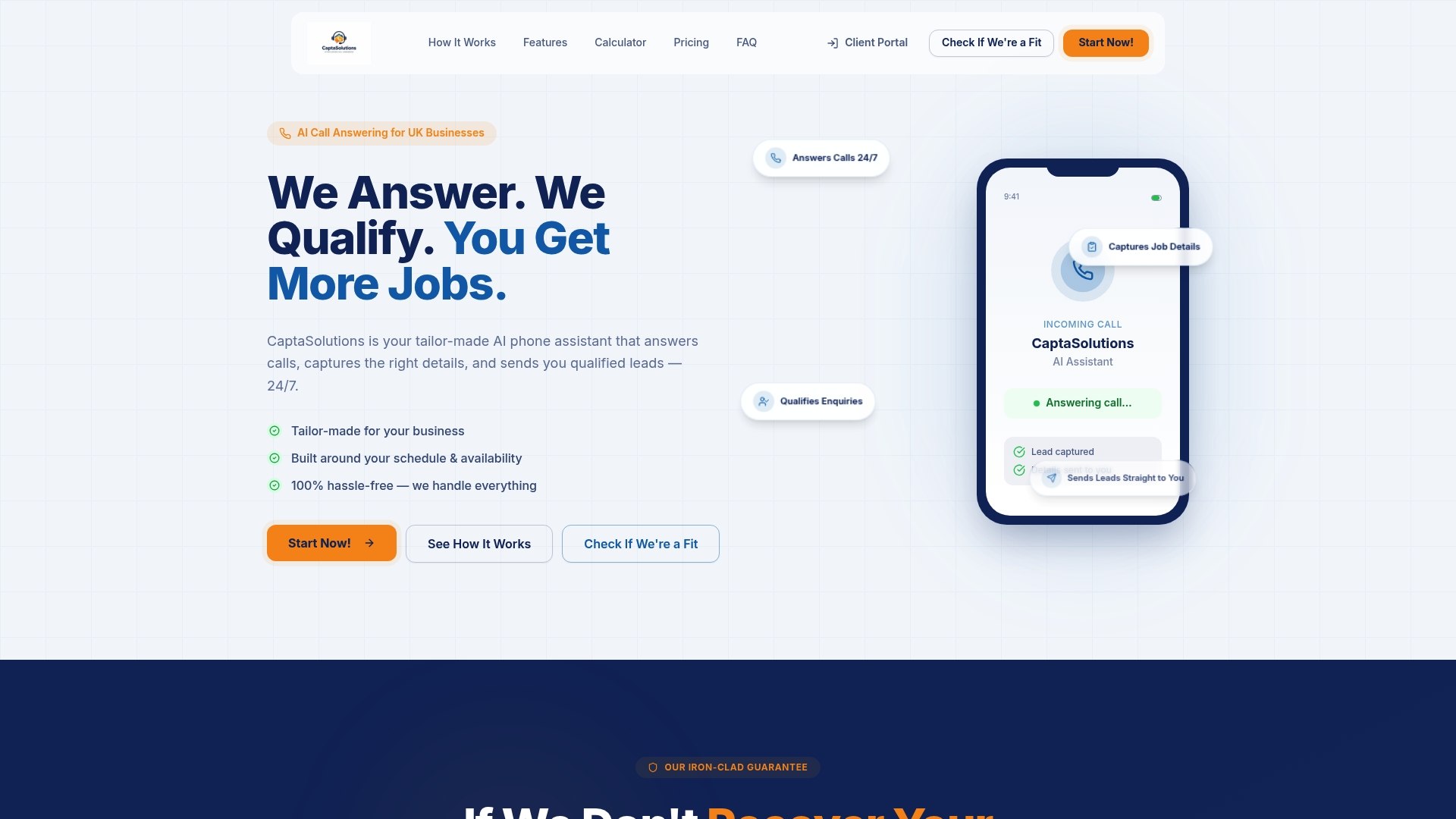
For hospitality venues, that means every inbound call is answered in your business name, 24 hours a day, seven days a week. The caller's details are captured, the enquiry is qualified, and everything is organised in your client portal for your team to review. You stay in control of every lead without your floor staff being pulled away from the guests in front of them. The call answering impact on revenue is measurable from the first week. Visit Captasolutions to start a free 30-day trial with no contract and no card required.
FAQ
What is professional call handling in hospitality?
Professional call handling in hospitality refers to the structured process of answering, managing, and resolving inbound calls in a way that reflects the venue's brand standards and protects guest experience. It combines trained staff behaviour, scripted frameworks, and appropriate technology.
How many calls do hospitality venues miss during peak times?
Industry data indicates that 30 to 40% of inbound calls go unanswered during peak service periods, with the majority of those callers not leaving a voicemail and booking elsewhere instead.
What technology helps with hospitality call management?
Cloud-based VoIP systems, IVR menus, call queuing, CRM integration, and AI-powered call answering services all reduce missed calls and give staff access to guest data before they speak.
Why is voicemail unreliable for hospitality businesses?
Callback rates from voicemail in hospitality sit below 8%, meaning the overwhelming majority of callers who do not reach a person will simply contact a competitor rather than wait for a return call.
How often should call handling training be refreshed?
Call scripts and telephone etiquette training should be reviewed at least quarterly to reflect menu changes, seasonal offers, and updated brand standards, with real call recordings used as coaching material.